Your store: Winnings Newmarket

Loading...
Welcome home to Winnings, where premium appliances meet exceptional design and expert guidance. Explore curated showrooms, discover inspiration, and experience the latest in kitchen and laundry innovation to elevate your living space.
The Best Coffee Machines for Your Kitchen: Expert Guide
Discover the best coffee machines for your kitchen with our expert guide. Compare types, features and find the perfect machine for your coffee style.
We love our coffee in New Zealand and we're quite specific about how we like it. Which is why choosing the right coffee machine requires the right amount of research and deliberation.
You deserve more than a caffeine jolt; you deserve a ritual that brings joy to your morning. Whether you are chasing the velvety microfoam of a flat white, a bold Americano, a long black, or the clean, floral notes of a light-roast pour-over, the right hardware is the bridge between mediocre beans and a world-class cup. We have spent hundreds of hours testing machines, grinding beans and frothing milk to bring you a curated selection of machines that deliver professional results without requiring a professional’s degree. Let’s turn your kitchen into the best cafe in town.
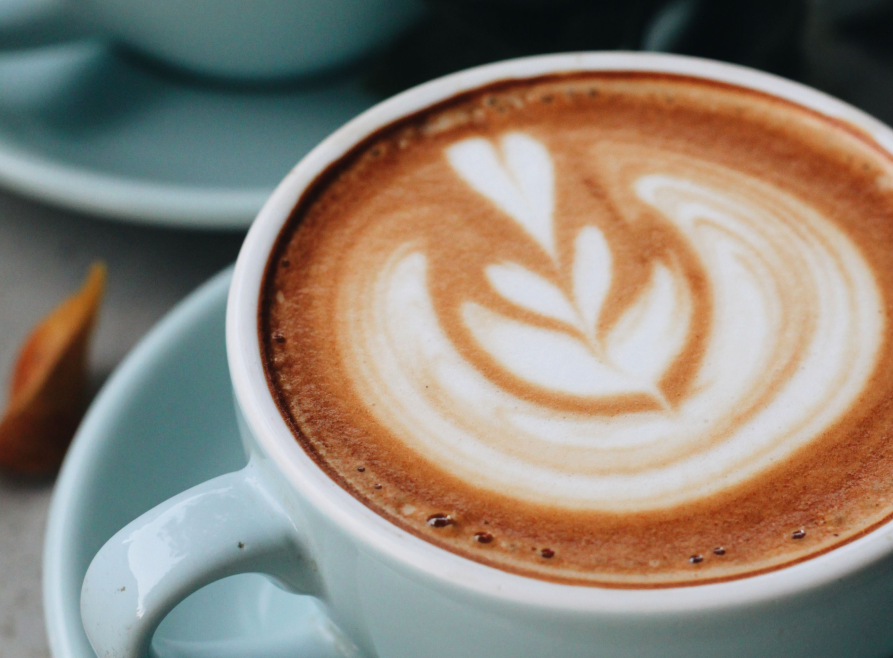
Manual vs. Automatic: Deciding Your Level of Involvement
Ask yourself: do you enjoy the process or the result? Manual brewing (utilizing pour-over methods or manual espresso machines) gives you total control over variables like flow rate and pressure, but it requires patience and technique. Automatic coffee machines handle the math for you, ensuring a consistent cup with the push of a button. If you are bleary-eyed before your first sip, automation is your best friend.
Assessing Your Daily Volume and Counter Space
An espresso coffee machine that makes one perfect cup is useless if you need to serve a family of four in twenty minutes. Consider "back-to-back" performance—how quickly a machine recovers its heat after one brew. Additionally, measure your cabinet clearance. Many high-end espresso machines, such as those from Breville, are tall and heavy; ensure you have the vertical "headroom" to refill water tanks or bean hoppers.
Budget Realities: Balancing Initial Investment with Cost-Per-Cup
A $600 machine might seem steep, but if it replaces a $6 daily latte habit, it pays for itself in 100 days. While entry-level machines save you money upfront, mid-range machines often utilize more durable stainless steel components rather than plastic, offering a lower total cost of ownership over five years.
Semi-Automatic Machines for Aspiring Baristas
These are the gold standard for home baristas and enthusiasts. You grind the coffee and tamp it into the portafilter (the handled basket), and the machine handles the water pressure. This allows you to "dial in" your shot, adjusting the grind size to find the perfect balance of sweetness and acidity.
Super-Automatic Systems: The One-Touch Solution
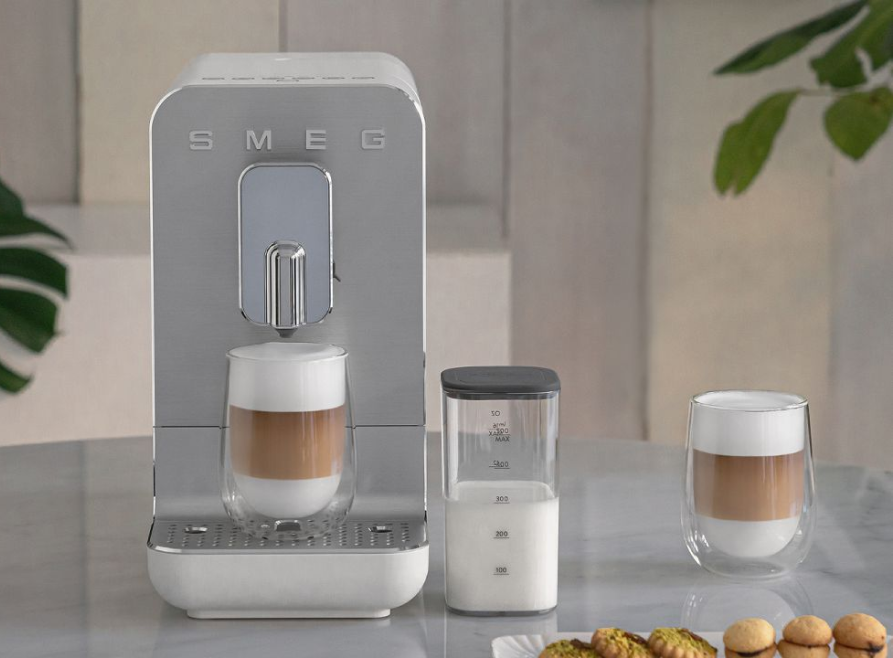
Ideal for busy professionals, these automatic espresso machines, like the Smeg Automatic Coffee Machine with AutoMilk, do everything. They grind the beans, tamp the grounds, and even froth the milk automatically. It is "bean-to-cup" simplicity that ensures you never have to deal with messy grounds on your counter.
Compact Espresso Makers for Small Footprints
You don't need a sprawling kitchen to make great espresso. Modern "slimline" models and capsule coffee machines use thermoblocks—small, efficient heating elements—to provide rapid startup times and excellent pressure in a chassis no wider than a toaster.
SCA-Certified Brewers for Consistent Thermal Stability
The Specialty Coffee Association (SCA) certifies machines that reach the "Golden Cup" standard. This means the machine maintains a water temperature between 90.6°C and 96.1°C, the ideal range to extract flavor without scorching the grounds. Because no one likes a burnt coffee….no one.
Programmable Drip Machines for Seamless Mornings
Wake up to the smell of fresh coffee. Look for models with "bloom" settings, which pre-wet the grounds to release trapped carbon dioxide, leading to a smoother, less bitter brew.
Cold Brew Systems for Smooth, Low-Acid Concentrates
If you prefer your coffee over ice, a dedicated cold brew system uses immersion to extract flavour over 12–24 hours. This process bypasses the heat-induced acidity, resulting in a chocolatey, syrupy concentrate that stays fresh in the fridge for up to two weeks.
Built-in Grinders: The Importance of Freshness
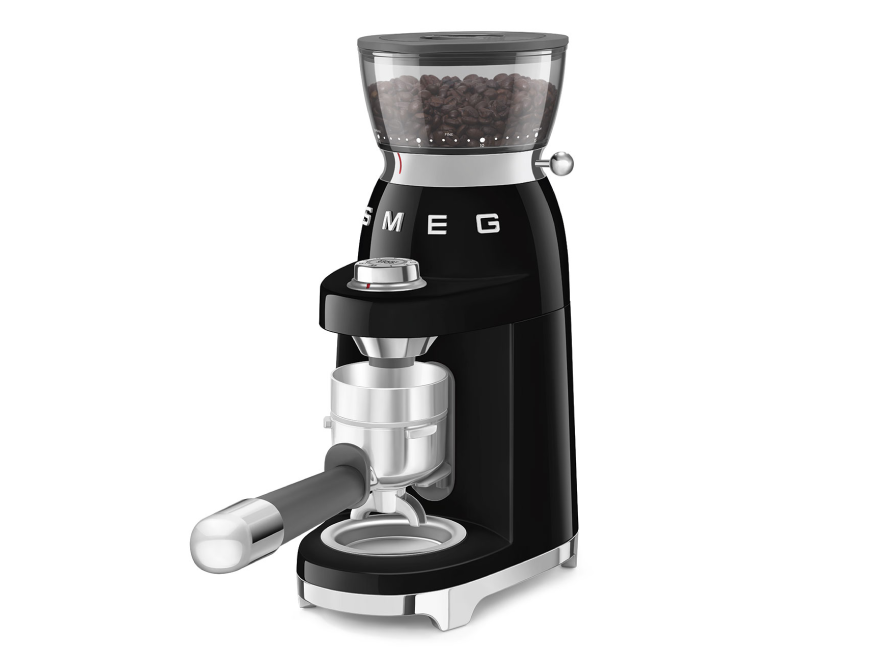
Coffee begins to oxidize and lose flavor within 15 minutes of being ground. An integrated burr coffee grinder (which crushes beans to a uniform size rather than chopping them like a blade) ensures that every cup is as aromatic as possible.
PID Temperature Control for Precision Brewing
A PID is a digital controller that keeps water temperature stable. Without it, water temperature can swing wildly, leading to "sour" (under-extracted) or "burnt" (over-extracted) coffee. Essentially this is a micro-computer that controls temperature and replaces traditional thermostats. It is the secret weapon of consistent brewing.
Milk Frothing Capabilities: Steam Wands vs. Automatic Frothers
Baristas will tell you that perfectly frothed milk sounds like tearing of paper or a gentle hiss. If you want to practice latte art, you need a traditional steam wand. If you prefer to simply pour milk into a container and let the machine create a stiff foam for your cappuccino, an automatic frother is the more convenient choice.
Simple Descaling Protocols to Protect Your Investment
Limescale is the number one killer of coffee machines. Use a dedicated descaling solution and a quality water filter every 3–6 months to clear mineral buildup from the internal pipes. It keeps your water flowing and your heater efficient.
Daily Cleaning Habits for Better-Tasting Coffee
Old coffee oils turn rancid quickly. Wipe down your steam wand after every use and rinse your brew basket daily. These thirty-second habits prevent "off" flavors from ruining your expensive beans.
Warranty Coverage and Repairability
Look for brands with established service centers. A machine is an investment; you want one that can be repaired with replacement gaskets or valves rather than one that must be thrown away if a single part fails.
Temperature Accuracy and Consistency Tests
Water temperature is an important metric when it comes to coffee. Which is why we always take it into a consideration during our research. Smeg machines often apply thermoblock heatings systems. Which are on-demand, instead of storing a large volume of hot water in a tank. They flash-heat and send water through a narrow heated metal tube. This allows rapid warm-up times, energy efficiency, and a more compact footprint. More importantly it means your coffee can be brewed at the optimal temperature.
Ease of Setup and Intuitive Design - Smeg 50s style Espresso Machine with built-in grinder EGF03WHAU
We evaluate how easy it is to go from "unboxing" to "first sip." Clear manuals and logical button layouts earn higher scores. Smeg prides themselves on aesthetic design, but this is more than just looks it also extends to practicality of the machine itself. Looking specifically at the Smeg 50s style Espresso Machine with built-in grinder EGF03WHAU, which is easy to unbox and a pleasure to set up. With quality machined parts, a satisfying twist on grinder attachment (with 250g capacity) and in machine storage under the drip tray for varying basket sizes and cleaning tools. The tamp is perfectly weighted and has a holder machined into the metal top, with enough room to keep your cups warm. The porta filter is 58mm in diameter and has changeable basket sizes, with an extendable handle, which is an excellent design touch. The water tank is 2.4 litres capacity and is easy to remove, refill and place snuggly back into place. As a manual machine the handles are heavy duty and easy to adjust, the few interface buttons is does have a countersunk and prominent with backlighting. Fully programmable, and ready to go in about 90 seconds once turned on (thanks to a dual thermoblock system). The user-manual is short, visually easy to follow with illustrations and has a nifty trouble shoot guide as well. There's also a scannable QR code with more resources, if you get really stuck. All-in-all a stylish, well designed and efficient machine.
The Taste Test: Evaluating Body, Aroma, and Clarity
We assess how well each machine highlights the unique characteristics of different roast profiles. Testing each machine and putting it through its paces. It's a tough job, but someone's got to do it. We regularly test new models and the Smeg EGF03WHAU does not disappoint. The in-built grinder means you're getting the freshest possible grind, going up to size 15 grind size, we find that between sizes 3-5 (between fine and superfine) is a sweet spot. The heads up Manometer lets you know if you are in the right pressure range for espresso and stainless steel milk jug is a perfect size for a one or two cup espresso pairing well with the dual spout two cup pourer. Obviously the coffee beans you choose are extremely important. We often go with a local roaster when we choose our beans (shout out to Millers Coffee, 31 Cross Street, Auckland CBD) who roast phenomenal arabica beans in house. If you visit, make sure to grab some of their coffee chocolates as well.
Is an expensive coffee machine really worth the investment?
Yes, if you value consistency. Cheaper machines often struggle with temperature stability, leading to unpredictable taste. A mid-to-high-end machine is built with heavier materials that hold heat better and last longer.
What is the difference between a burr grinder and a blade grinder?
Think of a blade grinder like a blender; it produces uneven chunks and dust. A burr grinder acts like a mill, producing uniform particles that allow water to flow through evenly for a balanced extraction.
How often should I clean my machine?
A quick rinse of the portafilter or pot should happen daily. A deep chemical clean of the group head or a descale of the boiler should occur every 1–3 months depending on your water hardness.
Do I need a separate milk frother?
Only if your machine doesn't have a built-in steam wand or if you prefer the convenience of an electric "whisk" style frother for cold foam.

Gene is Auckland-based, a father of two girls and husband to Maxie. A creative at heart, he trained in animation and later found his passion in content marketing and storytelling. Gene loves design, food, art, film and media - and after hours, you’ll find him tinkering in the garage on sculptures and art toys. He brings this same creativity and fresh thinking to his role at Winnings, helping shape meaningful campaigns and sharing stories that connect with customers every day.
More Like This